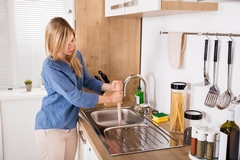
Every home cook knows the frustration of a slow-draining sink or, worse yet, a completely clogged one. Not only is it an inconvenience, but it also hinders your kitchen's hygiene and productivity. A clean kitchen drain pipe is crucial for ensuring a free-flowing plumbing system. At Trojan Plumbing, we specialize in plumbing services in Chicago and aim to help you address and prevent common drain pipe issues. This post will guide you through practical steps and preventive measures to keep your kitchen drain functioning smoothly.
From understanding the causes of clogs to learning how to efficiently clean your drain pipes, this guide covers all the essentials. Whether you're a homeowner facing regular plumbing issues or someone keen on maintaining impeccable kitchen hygiene, these insights will be valuable. Additionally, we'll consider professional solutions that can help if a simple clean-out won't suffice.
Why Kitchen Drains Get Clogged
Kitchen drains tend to become clogged over time due to the accumulation of food particles, grease, and soap residue. These substances can cling to the insides of pipes and gradually reduce water flow. Grease, in particular, solidifies as it cools and creates a sticky trap for other debris, worsening the blockage.
Another common cause is incorrect disposal habits. Large food scraps or fibrous materials like potato peels often end up in the sink, despite being better suited for the trash or compost. Learning the root causes of clogged drains can prevent future issues and save you from costly repairs.
Essential Tools for Cleaning a Kitchen Drain Pipe
Before diving into the cleaning process, you'll need a few basic tools. A plunger, plumber’s snake, and baking soda with vinegar are among the most frequently used. Although sometimes overlooked, a good old-fashioned bucket and gloves will come in handy for dealing with removed debris and protecting your hands.
- Plunger: An invaluable tool for removing minor blockages through suction.
- Plumber’s Snake: This flexible tool can reach deeper into your pipes to tackle stubborn clogs.
- Baking Soda and Vinegar: A natural cleaning solution that can help dissolve clogs without harsh chemicals.
- Bucket and Gloves: Protects your hands and helps in clean-up.
Keep these supplies in your toolkit for regular maintenance and quick clean-ups when needed. While these tools are generally effective, if multiple drains are slow, you might require a more comprehensive strategy, even consulting a professional.
Steps to Clean a Kitchen Drain Pipe
Cleaning your kitchen drain pipe can be simple with the right approach. Here's a step-by-step guide:
Step 1: Remove Visible Debris
Begin by clearing any visible gunk or food particles from the sink strainer. This simple action can sometimes be enough to improve drainage.
Step 2: Use a Plunger
With water in the sink, place the plunger over the drain. Push down firmly and then pull up, repeating several times to dislodge blockages. The water should start draining if the clog is minor.
Step 3: Apply Baking Soda and Vinegar
Pour a generous amount of baking soda into the drain, followed by an equal amount of vinegar. The chemical reaction helps break down grease and food residues. Let this sit for at least 30 minutes before flushing with hot water.
Step 4: Deploy a Plumber’s Snake
If the clog remains, insert the plumber's snake into the drain. Carefully rotate and move the snake until the obstruction is cleared. This can take a few attempts, depending on the severity of the blockage.
Step 5: Flush with Hot Water
After removing the blockage, flush the drain with hot water to remove any remaining debris. Regular hot water flushes can also prevent future buildups.
Preventive Measures to Avoid Clogs
Preventing clogs is often easier and cheaper than dealing with them after they occur. Regular maintenance and mindful habits can save you from frequent frustrations:
- Install a Sink Strainer: Using a sink strainer can catch larger debris and food particles before they enter your plumbing.
- Dispose of Grease Properly: Avoid pouring grease down the drain. Instead, dispose of it in a container in the trash.
- Regular Baking Soda and Vinegar Treatments: As a preventive measure, use baking soda and vinegar monthly to keep pipes clear.
When to Call a Professional
There are times when DIY efforts might not resolve significant plumbing issues. Stubborn clogs that don’t respond to traditional methods, frequent blockages, or multiple slow drains can indicate a larger problem within your plumbing system.
Professional plumbers can diagnose and fix significant issues, such as drain line replacement in Chicago. With advanced tools and experience, they can handle issues beyond the scope of the average homeowner.
Keeping Your Kitchen Drain in Top Shape
Maintaining a clean kitchen drain pipe is about consistency and proper habits. Regular maintenance not only keeps your drains functional but also extends the lifespan of your plumbing system. While routine cleanings and preventive actions help, don't hesitate to call in experts for more complicated problems.
Trojan Plumbing offers expert services, including leak detection in Palos Hills and other vital plumbing solutions. Whether in Chicago or the surrounding areas, trust Trojan Plumbing to handle all your plumbing needs efficiently.
Contact Trojan Plumbing today to discover more about our comprehensive services and how we can assist you in maintaining a healthy, busy kitchen that is free from plumbing hassles.