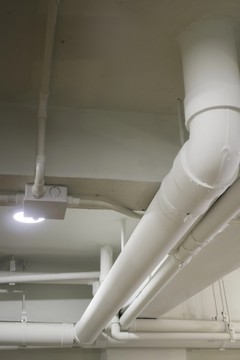
Walk into almost any unfinished basement and you will see them running overhead: a web of water lines, drain pipes, and sometimes the main sewer line snaking across the ceiling. Those exposed pipes in basement spaces are easy to overlook until you start a renovation, notice a drip, or wonder whether you should cover them up. Deciding what to do with them involves more than aesthetics, and guidance from experienced plumbers in Chicago can help protect your home for decades.
At Trojan Plumbing, we have helped homeowners across Alsip and the greater metro area make smart decisions about basement plumbing during remodels and routine upgrades. As experienced plumbing contractors in Chicago, we know that a little planning upfront saves a lot of money and frustration later. Here is what you should keep in mind before you frame a wall, drop a ceiling, or box anything in.
Why Exposed Pipes Deserve a Closer Look
Exposed pipes are not inherently a problem. In fact, many builders leave basement plumbing visible on purpose because it keeps everything accessible. The real question is whether those pipes are in good condition and whether your plans for the space account for them. Older homes may still have galvanized steel or cast iron lines that are nearing the end of their service life, while newer construction often uses copper or PEX that will last much longer.
Before you commit to a design, it pays to inspect what you are working with. Look for signs of corrosion, water staining, mineral buildup, or slow drips at joints and valves. Any of these can signal a problem you will want to resolve before it gets sealed behind drywall. Covering up a pipe that is already failing almost guarantees a messy and expensive repair down the road.
Access Is Everything
The single most important rule when dealing with exposed pipes in basement areas is to preserve access to the parts that matter. Shutoff valves, cleanouts, water meters, and the connections for your sump pump or ejector pump all need to remain reachable. If an emergency happens and you cannot shut off the water quickly, a small leak can turn into major flooding in minutes.
This is where a drop ceiling or removable panels often make more sense than a fully finished ceiling. A suspended ceiling hides the clutter of overhead pipes while still letting you lift a tile to reach a valve or a joint. If you prefer a clean, finished look with drywall, plan carefully to install access panels at every critical point. When we help homeowners plan basement projects, we always map out these access points first so nothing important gets buried.
Insulation, Condensation, and Freezing
Chicago winters are hard on plumbing, and basement pipes are not immune. Water lines along exterior walls or near foundation vents can freeze when temperatures plunge, and a frozen pipe can rupture and release gallons of water once it thaws. Insulating exposed water lines is one of the simplest ways to reduce that risk, and it is far easier to do while the pipes are still visible. If you have ever dealt with a burst or frozen pipe in Chicago, you already know how disruptive the cleanup can be.
Insulation also helps with condensation. Cold water pipes sweat in humid conditions, and that moisture can drip onto stored items, encourage mold, or stain a finished ceiling. Foam pipe sleeves are inexpensive and make a noticeable difference. The EPA's guidance on mold and moisture prevention also emphasizes the importance of controlling indoor moisture. Addressing insulation during the planning stage, rather than after the walls are up, keeps the job simple and keeps your basement drier year round.
Planning Around Drain and Sewer Lines
Water supply lines get most of the attention, but drain and sewer pipes deserve just as much thought. The main drain line and any branch drains pitch at a slight angle to let gravity carry waste away, so they cannot simply be moved to suit a new layout. If your remodel calls for relocating a bathroom, laundry, or wet bar, the drainage has to be engineered to maintain proper slope, and that often means consulting a professional before the design is finalized.
This is also a good moment to think about what is happening inside those lines. If you have had recurring backups or slow drains, a camera inspection can reveal roots, cracks, or buildup hiding in the pipe. Catching those issues early, sometimes through sewer camera inspections, means you are not finishing a beautiful basement only to tear it apart later for a repair. For homes with below grade fixtures, the ejector pump that lifts waste up to the main line should be in good working order before you close things in.
Should You Hide Them or Leave Them Exposed?
There is no universal answer, and both approaches can look intentional when done well. Leaving pipes exposed suits industrial and modern styles, keeps every component accessible, and costs less because you skip framing and finishing. A coat of paint can turn a tangle of pipes into a design feature rather than an eyesore. The tradeoff is that visible pipes collect dust, may sweat, and leave mechanical elements in plain view.
Concealing pipes gives you a polished, finished basement that feels like a true extension of your living space. The price is reduced access and the need to plan carefully so you never trap a valve or cleanout behind a permanent surface. Whichever direction you choose, keep these priorities in order:
- Confirm every pipe and fitting is in sound condition before covering anything.
- Maintain access to shutoffs, cleanouts, and pump connections.
- Insulate vulnerable water lines to guard against freezing and condensation.
- Verify drain slope and sewer health before finalizing any new layout.
Getting these fundamentals right is what separates a basement that stays trouble free from one that springs surprises.
When to Bring in a Professional
Some basement projects are well within reach for a confident homeowner, but anything involving relocating drains, upsizing supply lines, or addressing suspect pipe material is worth a professional eye. A licensed plumber can tell you whether your existing lines will support your plans, flag anything that should be replaced now, and make sure the work meets local code. That guidance is especially valuable in older housing stock throughout Chicago and the surrounding areas, where mixed pipe materials and decades of modifications are common.
It also helps to have a trusted plumbing company in Chicago on call before you start, because basements are the first place water problems tend to show up. From a sump pump that fails during a storm to a sewer line that backs up, these issues move fast. If you ever face a backup, prompt sewage cleanup in Burbank, IL and nearby communities can limit the damage and get your space dry again. Dealing with the plumbing correctly during planning dramatically lowers the odds you will need that kind of help later.
Exposed pipes in basement spaces are not something to fear, they are an opportunity to get your plumbing in top shape before you invest in finishing the room. Inspect what you have, protect access to the important parts, insulate against the cold, and confirm your drains are healthy. When you are ready to plan a basement project or want a professional assessment of what is overhead, reach out to the team at Trojan Plumbing for a closer look.