Blog
-
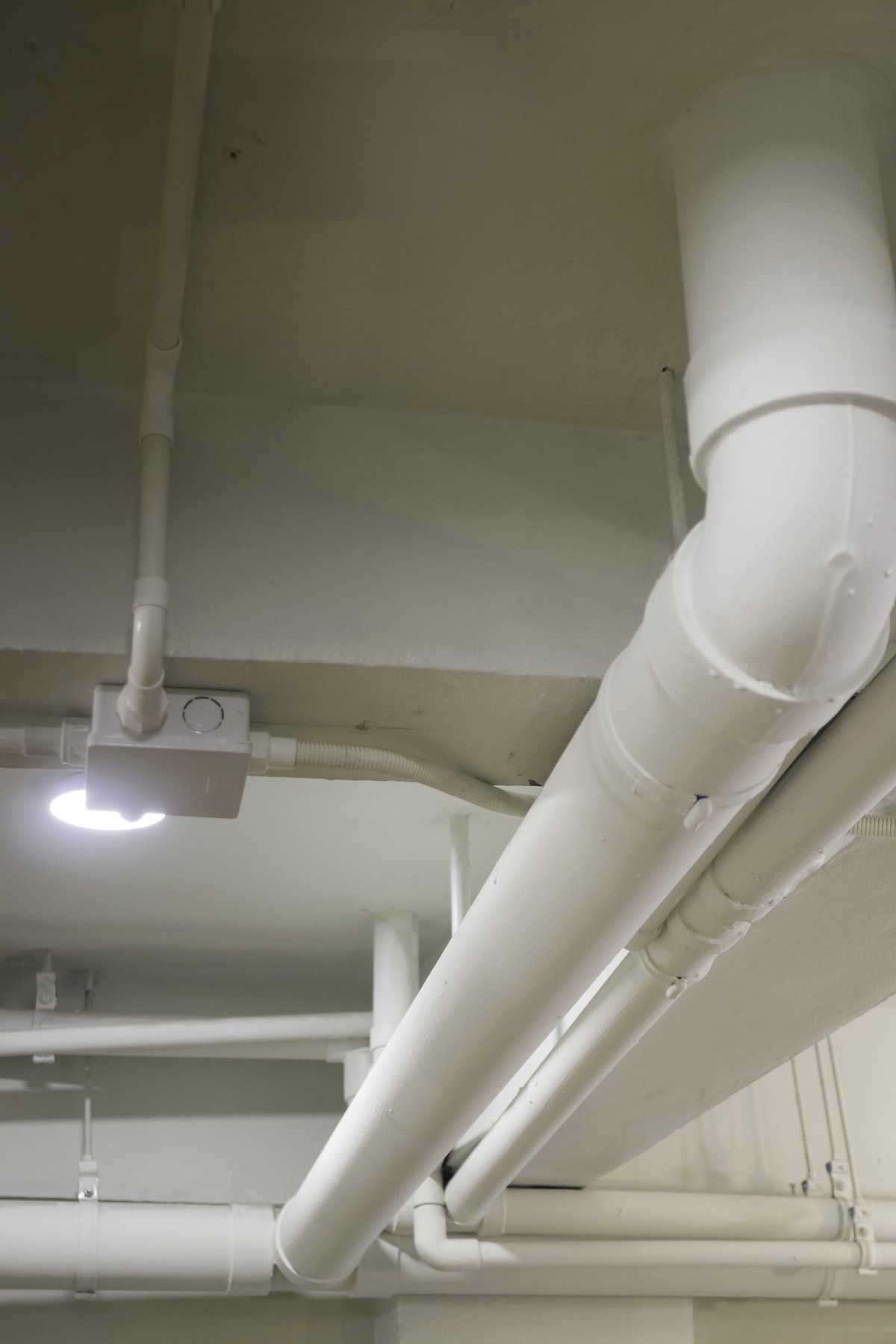
Basement Pipe Planning: What to Know About Exposed Pipes
- Posted by: Trojan Plumbing
- on Oct 17, 2026
 Planning a basement remodel? Learn what to know about exposed pipes in basement spaces, from access and insulation to protecting your home. Call Trojan Plumbing.Continue Reading…
 -
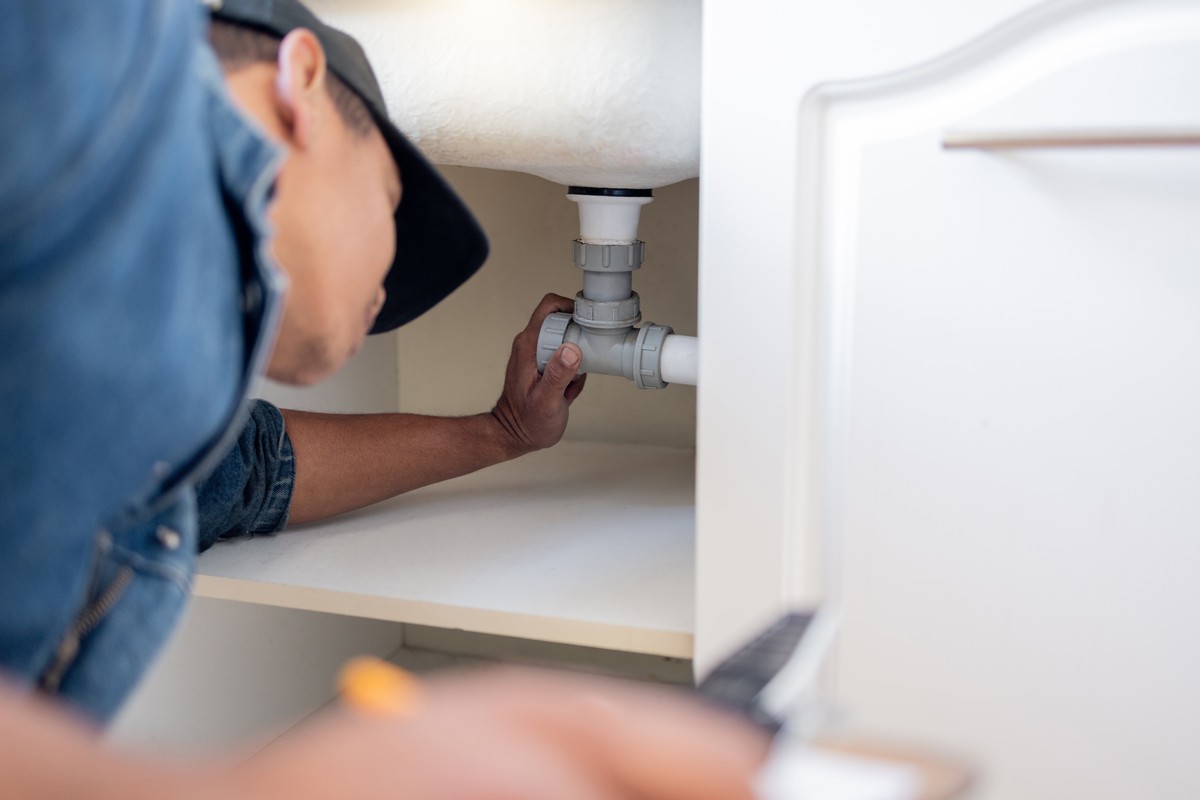
Under the Kitchen Sink: When to Replace Pipes and What to Expect
- Posted by: Trojan Plumbing
- on Oct 15, 2026
 Wondering when to replace pipes under your kitchen sink? Learn the warning signs, what the process involves, and how Trojan Plumbing can help in Chicago.Continue Reading…
 -
Underground Water Leaks: How to Find Them Before Damage Spreads
- Posted by: Trojan Plumbing
- on Oct 09, 2026
 Learn how to find a water leak underground before it causes costly damage. Trojan Plumbing shares warning signs, detection tips, and expert help in Chicago.Continue Reading…
 -
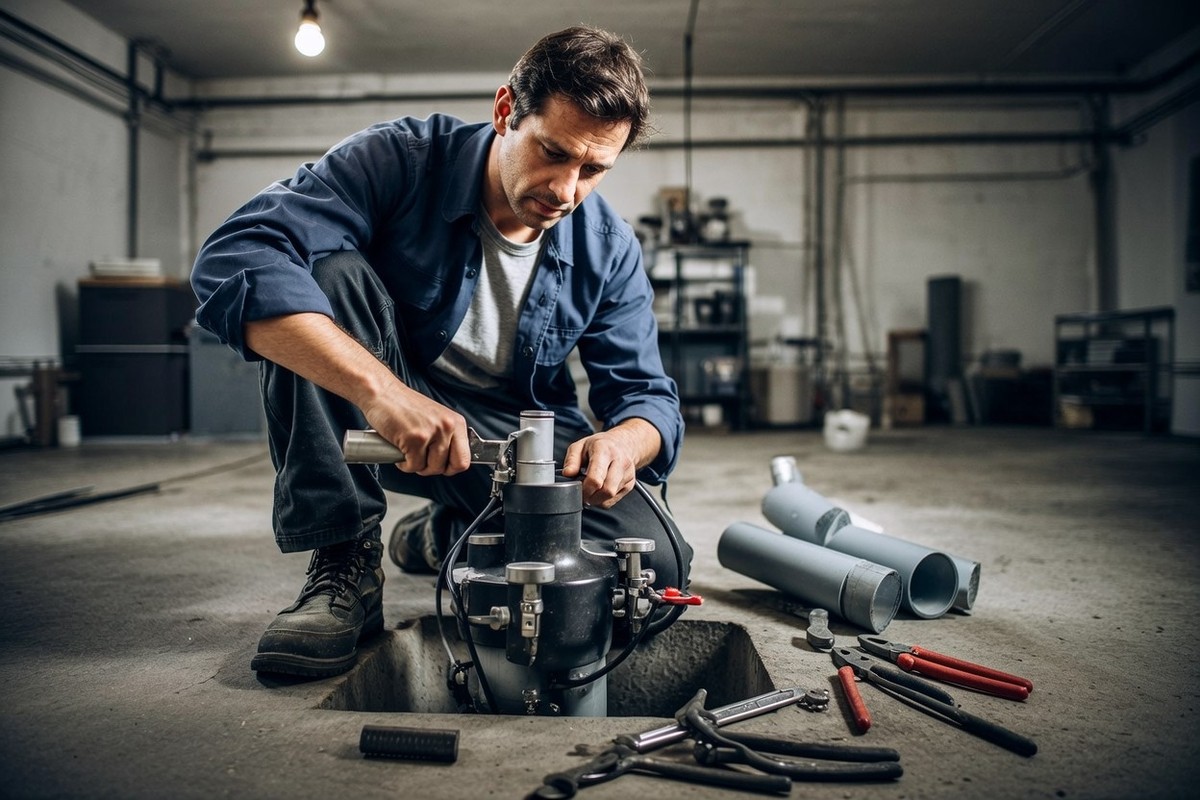
Before You Install One, Do You Need a Plumber for a Sump Pump?
- Posted by: Trojan Plumbing
- on Oct 07, 2026
 Wondering do you need a plumber to install a sump pump? Trojan Plumbing explains when DIY works, when to call a pro, and what proper installation involves.Continue Reading…
 -
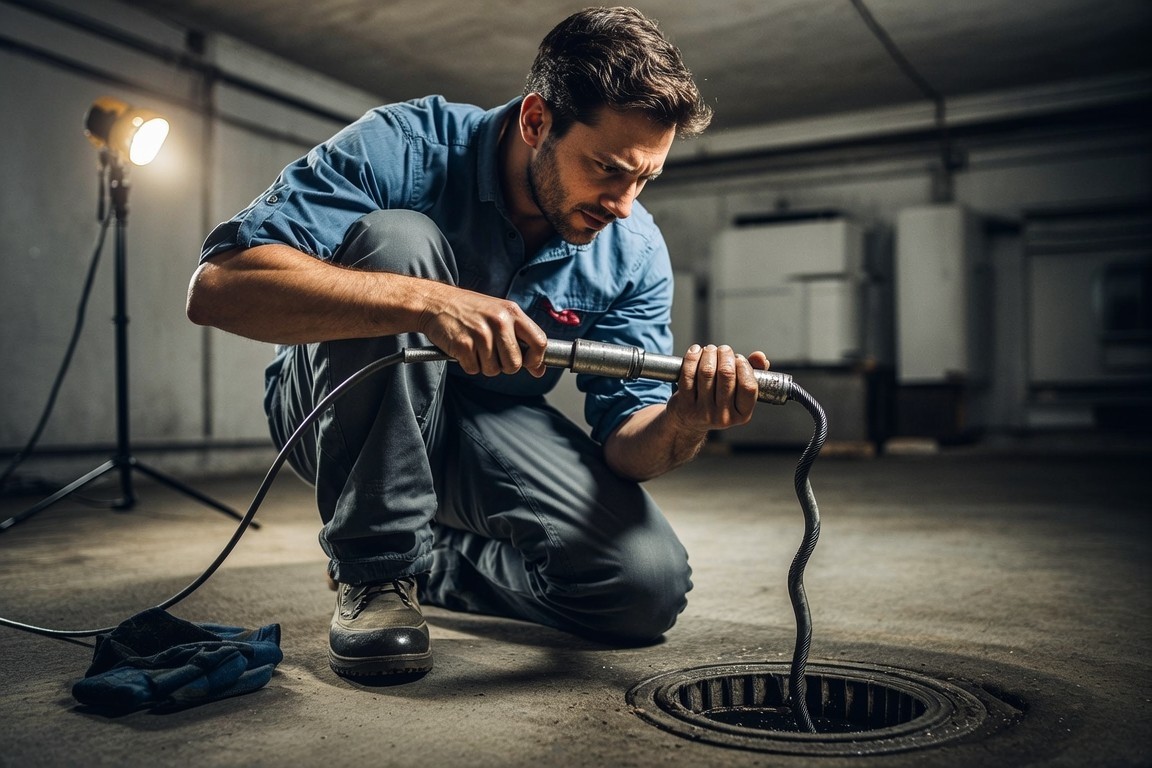
Basement Drain Blockages: Common Causes and Repair Options
- Posted by: Trojan Plumbing
- on Oct 03, 2026
 Learn what causes a blocked basement drain, warning signs to watch for, and repair options from Trojan Plumbing serving Chicago and nearby communities.Continue Reading…
 -
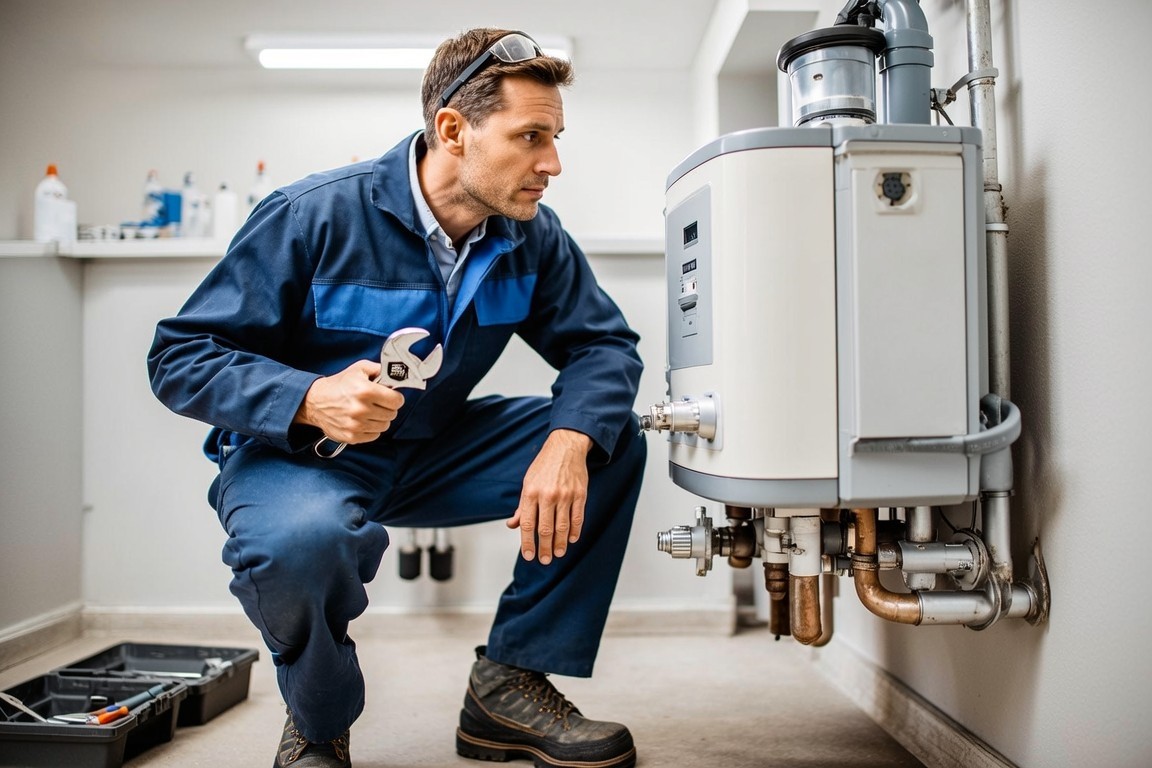
Boiler Trouble? When a Plumber Can Help with Heating System Issues
- Posted by: Trojan Plumbing
- on Oct 01, 2026
 Can a plumber fix a boiler? Learn when Trojan Plumbing can help with boiler leaks, pressure problems, and heating issues in Chicago and nearby areas.Continue Reading…