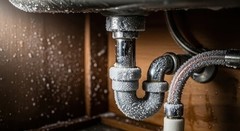
When winter settles over the Chicago area, the pipes beneath your kitchen sink are often among the first to feel the cold. A frozen line can quickly become a cracked line, and a cracked line can flood a cabinet, warp a floor, and turn an ordinary morning into an expensive mess. That is why so many homeowners call on experienced plumbing contractors in Chicago to help them prepare before the temperature really drops. The good news is that most of the work needed to keep kitchen sink pipes from freezing is simple, inexpensive, and well within reach for the average household.
At Trojan Plumbing, based in Alsip, we have seen what a single hard freeze can do to an unprotected kitchen line. The kitchen sink is especially vulnerable because the plumbing often runs along an exterior wall or sits in a cabinet that stays colder than the rest of the room. Understanding why that happens, and taking a few steps ahead of the season, can spare you a great deal of trouble.
Why Kitchen Sink Pipes Freeze in the First Place
Freezing happens when water inside a pipe drops below 32 degrees and expands as it turns to ice. That expansion puts tremendous pressure on the pipe walls and joints, and eventually something gives. The kitchen sink is a common failure point because its supply and drain lines frequently travel through an outside wall, where insulation may be thin or missing entirely. Cabinets also trap cold air and block the warmth of your heating system from reaching the plumbing tucked inside.
Older homes throughout Chicago and the surrounding areas tend to have the highest risk, since original construction rarely accounted for modern insulation standards. Homes with unheated crawl spaces or basements beneath the kitchen face similar exposure. Knowing where your pipes run is the first step toward protecting them, because you cannot guard against a freeze if you do not know which lines are most likely to be affected.
Simple Steps to Keep Kitchen Sink Pipes from Freezing
The most effective protection is also the easiest. On nights when the forecast calls for a deep freeze, opening the cabinet doors beneath your sink allows warm household air to circulate around the pipes. This small adjustment makes a real difference when the plumbing sits against an exterior wall. Pairing that with a gentle trickle of water from the faucet keeps water moving, and moving water is far more resistant to freezing than water sitting still.
Insulation is the next layer of defense. Foam pipe sleeves, available at any hardware store, slip over exposed lines and hold in warmth. Sealing drafts is just as important, because cold air sneaking through a gap near a pipe can undo all your other efforts. When you want to keep kitchen sink pipes from freezing during an extended cold snap, a combination of these measures usually does the job.
- Open cabinet doors on bitter nights so heated air reaches the plumbing.
- Let a thin stream of water run from the faucet when temperatures plunge.
- Wrap exposed pipes with foam insulation sleeves.
- Seal drafts and gaps where cold air can reach the lines.
- Keep your home heated, even when you are away, to a reasonable temperature.
None of these steps require special tools or professional help, yet together they offer strong protection. The goal is to maintain warmth around the pipes and prevent water from sitting still long enough to freeze.
Preparing Before the Season Begins
The best time to act is before the first real freeze arrives, not during it. Early in the fall, take a few minutes to inspect the plumbing under your kitchen sink for drafts, worn insulation, or signs of past leaks. Disconnect and drain any outdoor hoses connected to kitchen or utility lines, and shut off exterior spigots where possible. These early tasks reduce the chance that a sudden drop in temperature catches you off guard.
It also helps to know where your main water shutoff is located. If a pipe ever does freeze and burst, being able to stop the flow quickly can be the difference between a minor cleanup and major water damage. Homeowners who want to keep kitchen sink pipes from freezing throughout the winter should treat this preparation as an annual routine, right alongside checking the furnace and clearing the gutters. A little attention in October and November prevents emergencies in January.
What to Do If a Pipe Freezes Anyway
Even with careful preparation, a severe cold snap can still freeze a line. If you turn on the kitchen faucet and only a trickle comes out, there is a good chance a section of pipe has frozen. Keep the faucet open so that water can flow once the ice begins to melt, and apply gentle heat to the frozen area using a hair dryer or warm towels. Never use an open flame, which can damage the pipe and create a fire hazard. The American Red Cross guidelines for preventing and thawing frozen pipes offer additional safety recommendations.
If you cannot locate the frozen section, or if a pipe has already cracked, it is time to call a professional. Our team handles burst and frozen pipe repair in Chicago and throughout the region, and we respond quickly because frozen pipes rarely wait for a convenient moment. For residents in neighboring communities, we also provide dependable frozen pipe repair in Burnham, IL, so help is never far away when the cold does its worst.
When to Bring in a Professional
Some situations call for an expert from the start. If your kitchen plumbing freezes year after year, insulation and cabinet-door tricks may not be enough, and the underlying problem could be poorly routed or exposed piping that needs attention. A qualified plumber can inspect the lines, recommend lasting improvements, and address any damage before it spreads. Working to keep kitchen sink pipes from freezing is often part of a broader effort to winterize the whole home, and a professional can spot vulnerabilities you might miss.
The experienced plumbers in Chicago at Trojan Plumbing understand the challenges that local winters bring, from aging housing stock to the deep freezes that roll in off the lake. We can insulate exposed lines, reroute problem piping, and make repairs that hold up season after season. If you ever face a sudden emergency, our emergency plumbing services are ready when you need them most.
Taking a few preventive steps now means you are far less likely to deal with a flooded cabinet or a costly repair later. Open those cabinet doors on cold nights, add insulation where it is needed, keep a trickle of water moving, and know where your shutoff valve is. These habits, combined with a little early-season preparation, go a long way toward protecting your home through the coldest months.
If you are unsure whether your kitchen plumbing is ready for winter, or if you have already run into trouble, reach out to our team for a closer look. A short inspection today can save you from a long, cold cleanup tomorrow, and it gives you the peace of mind that comes with knowing your pipes are prepared for whatever the season brings.