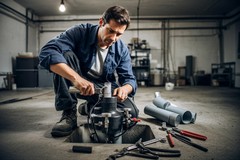
Basement flooding is one of the most common and costly problems homeowners face, especially in areas with heavy spring rains and high water tables. A sump pump is your first line of defense, quietly moving water away from your foundation before it has a chance to ruin floors, drywall, and belongings. But when it comes time to put one in, a question many homeowners ask is simple: do you need a plumber to install a sump pump, or is this a job you can tackle on your own? As experienced plumbers in Chicago, IL, we hear this question often, and the honest answer depends on a few important factors.
The truth is that installing a sump pump involves more than dropping a pump into a pit and plugging it in. There are electrical considerations, discharge line routing, local code requirements, and the risk of a poor installation that fails exactly when you need it most. Below, we break down what the job actually involves so you can make a confident decision.
What a Sump Pump Installation Really Involves
At its core, a sump pump sits in a basin, or sump pit, that collects groundwater from around and beneath your foundation. When the water rises to a certain level, a float switch activates the pump, which pushes the water out through a discharge pipe and safely away from your home. It sounds straightforward, and in some ways it is, but each piece of that system has to work in harmony for the pump to do its job reliably.
A proper installation requires digging or preparing the pit to the correct depth, ensuring the basin is seated level, connecting a discharge line with the right pitch and a check valve to prevent backflow, and wiring the unit to a dedicated, properly grounded outlet. The discharge has to terminate somewhere that will not simply drain back toward the foundation. Get any of these details wrong and you may end up with a pump that short cycles, overheats, or fails to keep up during a storm.
So, Do You Need a Plumber to Install a Sump Pump?
If you are a confident, hands-on homeowner replacing an existing pump in a pit that already has a working discharge line and a dedicated outlet, a straightforward swap can sometimes be a manageable project. The pit is already there, the plumbing is in place, and you are essentially matching a new unit to an existing setup. In that narrow scenario, some people do handle it themselves.
That said, the question of whether do you need a plumber to install a sump pump leans heavily toward yes in most real-world situations. A new installation, a system that needs a pit cut into a concrete floor, or any setup that requires new discharge routing or electrical work is well beyond a typical DIY project. These jobs touch on plumbing code, electrical safety, and waterproofing fundamentals that are easy to underestimate. A mistake here is not just an inconvenience. It can mean a flooded basement, water damage, and far higher repair costs down the road.
There is also the matter of local regulations. Many municipalities have specific rules about where sump discharge can and cannot go, including restrictions on draining into the sanitary sewer system. A licensed plumber knows these requirements and installs your system to meet them, which protects you from fines and from problems during a future home sale or inspection.
Signs the Job Calls for a Professional
Some situations make the answer clear. If any of the following apply to your project, bringing in a professional is the smart move:
- You are installing a sump system for the first time and need a new pit cut into the foundation floor.
- There is no dedicated electrical outlet near the pit, or the existing wiring is outdated.
- You want a battery backup or water-powered backup system added for storm protection.
- Your home has a history of basement flooding or you are dealing with a high water table.
- The discharge line needs to be rerouted, extended, or connected to meet local code.
In each of these cases, the experience of a trained plumber pays for itself. Proper sizing alone makes a difference, since a pump that is too small will struggle during heavy rain while one that is too large may cycle on and off too frequently and wear out early. We factor in your basement size, the typical water volume, and the height the water must travel to choose the right unit for your home.
The Value of Professional Installation
Beyond simply getting the pump running, professional installation gives you confidence that the whole system is built to perform under pressure. We test the float switch, confirm the check valve is working, verify the discharge drains well away from the foundation, and make sure the electrical connection is safe and dependable. We also look at the bigger picture of your home's water management, because a sump pump is only one part of keeping a basement dry.
Many homes, particularly those with below-grade bathrooms or laundry, also rely on related equipment. If your property uses one, our team handles ejector and ejection pumps as well, and we can evaluate how your drainage systems work together. When a pump does eventually wear out, timely sump pump repair and replacement in Chicago, IL keeps your protection intact without a lengthy gap. For homeowners in Burbank and nearby communities, our sump pump installation in Burbank, IL is done to code and built to last through the wettest seasons.
What Happens When Installation Goes Wrong
It is worth understanding the stakes. A sump pump that fails during a storm can lead to several inches of water in a finished basement within hours. Improperly routed discharge can push water right back toward the foundation, undermining the entire purpose of the system. A loose or unprotected electrical connection near water is a genuine safety hazard. These are the kinds of outcomes that turn a modest installation into an expensive emergency, and they are exactly what a careful, code-compliant installation is designed to prevent.
Because flooding often strikes at the worst possible time, it also helps to have a reliable partner you can reach when something goes wrong. If a failure does occur, our team offers fast response so a minor issue does not become a major one.
Returning to the original question, do you need a plumber to install a sump pump? For a simple like-for-like swap, a capable homeowner may manage it. For almost everything else, professional installation protects your home, keeps you compliant with local code, and ensures the system performs when it matters. If you are weighing your options, the surest path is to talk with a trusted plumbing company in Chicago that can assess your basement and recommend the right solution.
We proudly serve homeowners throughout Chicago and the surrounding areas, and we are happy to answer your questions before you commit to anything. Whether you need a new system, a replacement, or just honest advice, reach out for a quote and let us help you keep your basement dry for years to come.