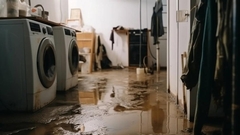
Have you ever walked down to your basement only to find water pooling in corners or trickling from the base of your walls? If yes, you're not alone. The issue of a blocked basement drain is an all-too-common concern for homeowners. Dealing with this problem can be extremely frustrating and potentially damaging if left unchecked. For every homeowner in Chicago, IL, knowing the causes, risks, and solutions associated with blocked basement drains is crucial. Fortunately, there are professional plumbers within Chicago, adept at addressing such issues efficiently.
Basements are particularly vulnerable to drainage problems due to their below-ground location. A blocked basement drain can lead to water damage, structural issues, and even health hazards due to mold growth. As basements are often used for storage, containing valuable or irreplaceable items, a drainage malfunction might mean costly repairs and irreparable losses. Thus, understanding the mechanics of your drain system and knowing when to seek assistance, perhaps by considering a sewer line replacement in Chicago, IL, is vital in safeguarding your home.
In this blog post, we will explore the primary causes of blocked basement drains, assess the risks they pose, and offer practical advice on what to do next. By the end, you'll be equipped with the knowledge to make informed decisions about maintaining your home's integrity.
Causes of Blocked Basement Drains
Identifying the source of a blockage begins with understanding how a basement drainage system typically works. Most basement drains are connected to the main sewage line or a sump pump system, both susceptible to issues.
Common Causes of Blockages
1. Debris Build-Up: Over time, dirt, hair, lint, and other debris can accumulate in pipes, leading to slow drainage or complete blockages. This build-up hampers water flow and may require professional intervention to clear. Regular maintenance can prevent such an occurrence.
2. Tree Roots: Roots from trees can grow into underground pipes, causing severe blockages. These roots thrive in humid conditions, and once they penetrate a pipe, they can expand quickly. If this is the case, removing the roots and repairing the pipe may be necessary.
3. Structural Pipe Damage: Cracks or pipe deterioration caused by aging or external pressures can lead to drainage issues. In such cases, a complete or partial drain line replacement might be needed.
4. Accumulated Sediment: Sand, silt, or other sediments can settle in basements after heavy rains or floods, finding their way into drainage systems. These sediments gradually obstruct the flow, imperiling proper drainage.
Risks Associated with Blocked Basement Drains
A blocked basement drain is not just an inconvenience; it poses several risks that can escalate if not addressed promptly.
Immediate and Long-term Risks
1. Water Damage: Water accumulation can deteriorate walls, floors, and stored items. Persistent exposure can cause lasting structural damage, often requiring expensive repairs.
2. Mold Growth: Damp environments foster mold growth, which can spread quickly throughout the basement. Mold is not only unsightly but also a significant health hazard, potentially causing respiratory issues for inhabitants.
3. Unpleasant Odors: Stagnant water and waste produce foul odors that can permeate your home, leading to an uncomfortable living environment.
4. Pest Infestations: Standing water and damp conditions attract pests like insects and rodents, creating hygiene issues and further structural damage.
What to Do Next
If you find yourself dealing with a blocked basement drain, acting swiftly can prevent further complications. Here’s a step-by-step approach.
Immediate Solutions
1. Remove Standing Water: Using a wet/dry vacuum or mop, remove as much standing water as possible. This reduces the immediate risk of water damage and mold growth.
2. Inspect and Clean: Check visible drain components for obvious blockages. Remove any accessible debris and ensure drain grates are clear. For sediment-related issues, thorough cleaning may require professional equipment.
3. Use Drain Cleaners: Chemical drain cleaners can sometimes alleviate minor blockages. However, use caution as these can damage pipes if misused.
Long-term Solutions
- Regular Maintenance: Schedule regular inspections and cleaning for your drainage system. This can prevent future blockages and extend the lifespan of your pipes.
- Professional Sewer Line Replacement: If recurring blockages are an issue, contacting professionals for a sewer line replacement in Chicago, IL, might be a necessary step. Evaluate the health of your drainage system regularly to decide if a similar intervention is needed.
- Install a Sump Pump: Consider the advantages of a sump pump installation in Chicago. These devices are particularly helpful during peak rainfall, effectively redirecting water away from your basement.
Deciding When to Call in Professionals
While some simple blockage issues can be handled with DIY efforts, recurring or severe drain problems often require the expertise of seasoned professionals. Whether you’re experiencing frequent slow drainage, unpleasant odors, or unexplained water pooling, a quick solution is only a phone call away.
Opting for the assistance of expert plumbers can alleviate the stress associated with complex plumbing issues. Don’t overlook services such as sump pump repair in the Hindsdale area to maintain efficient water drainage and management.
Finally, safeguarding your basement from future flooding or drainage issues can save you significant time and money. With Chicago, IL's variable weather, keeping your drainage system in top shape is indispensable. Trojan Plumbing prides itself on offering comprehensive solutions tailored to your individual needs. Whether it's drain line replacement, sewage cleanup, or sump pump repair, expert assistance ensures your peace of mind. Contact Trojan Plumbing today for reliable and efficient service.