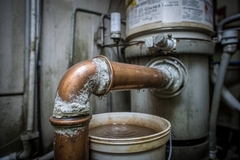
Homeownership comes with its fair share of challenges, and maintaining your plumbing system ranks high among them. You've spent time and money ensuring that your home's pipes are in top condition. But have you ever considered how a failing water softener can compromise this hard work? Can a failing softener cause plumbing damage? At Trojan Plumbing, we provide numerous plumbing services in Chicago, IL, and we're here to shed light on this often-overlooked aspect of home maintenance.
Water softeners play a crucial role in managing hard water issues by removing calcium and magnesium ions. However, when these systems falter, the impact extends beyond mere inconvenience. Left unchecked, a failing water softener can indeed lead to significant plumbing damage over time. This blog post explores the nuances of this issue, provides insights for proactive maintenance, and highlights why addressing this concern is vital for every homeowner.
Understanding Water Softeners and Their Function
Before diving deep into the risks associated with a failing water softener, it's essential to understand how these devices function. In many households, water softeners work by using a process called ion exchange, where sodium ions replace the hard minerals in the water. This not only prevents scale buildup in pipes and appliances but also contributes to a more efficient plumbing system. It's a hidden hero protecting your home from the adverse effects of hard water.
Causes of Softener Failure
Just like any other mechanical system, a water softener can experience a variety of issues over time. Some common causes of softener failure include worn-out resin beads, faulty valves, incorrect settings, or salt bridging. When these issues arise, your softener may fail to perform its intended function, leaving your plumbing at risk of damage. Failing to address these hidden problems can lead to scaling and even corrosion of pipes.
The Direct Impact on Plumbing Systems
Can a failing softener cause plumbing damage? Absolutely. When a water softener fails, hard water minerals begin to accumulate within your plumbing, leading to scale buildup. This buildup restricts the flow of water and increases pressure within the pipes. Over time, this can result in leaks or even burst pipes, requiring costly and extensive plumbing repairs. The cost of neglecting your water softener can quickly outpace the investment needed to maintain it.
Scale Buildup and Plumbing Damage
Without an effectively functioning softener, the integrity of your pipes comes into question. Scale acts as a silent, destructive force within your plumbing system, causing sediment deposits that erode metal surfaces over time. The result is a compromised plumbing infrastructure that struggles to manage the daily demands of your household. And, if left unaddressed, the need for significant repairs becomes unavoidable.
Symptoms and Warning Signs
Just as a well-tuned ear can detect changes in a car engine, homeowners can tune into signs indicating their water softener is failing. These include a noticeable change in water taste, an increase in water spots or mineral stains on dishes, and a reduced lather from soaps. If you observe any of these indicators, it might be time to consult professionals for possible drainage issues or even hot water heater repair in Chicago, IL.
Addressing the Symptoms
Taking immediate action once you notice these symptoms is crucial. Consult with a plumbing expert to determine whether your water softener needs repair, maintenance, or replacement. Doing so not only preserves your piping system but also saves you from massive water bills due to inefficiencies caused by a failing softener.
How to Prevent Water Softener Failure
Knowing you have a problem is one thing; taking steps to prevent it is another. Regular maintenance, awareness of warning signs, and professional inspections can go a long way in ensuring your water softener works efficiently.
- Regular Inspections: Conduct routine checks of your water softener, paying attention to salt levels, valve operation, and any noticeable odors.
- Professional Servicing: Enlist professional services for periodic maintenance and replacement of worn parts.
- Salt Management: Be proactive about managing salt levels and avoiding salt bridging, which can interfere with softener operations.
By following these steps, you can help prevent the question, "Can a failing softener cause plumbing damage?" from becoming a reality in your home.
What To Do When Problems Arise
When your water softener starts showing signs of failure, it's crucial to seek expert advice. Whether it requires a simple fix or a more involved repair, dealing with these issues promptly can prevent extensive plumbing damage. Should you encounter a situation where your plumbing system is already compromised, we offer expert sewer line replacement in Alsip, IL, among other services, to assist you.
Making the Right Decisions for Your Home
As a homeowner, deciding when to repair or replace your water softener can directly impact the longevity of your plumbing system. Sometimes, the more economic and long-term solution involves replacing your water softener entirely. Consulting experts in plumbing services, like us in Chicago, IL, ensures that you make an informed decision suited to your needs.
In conclusion, a failing water softener isn't merely a minor inconvenience, but a significant threat to your plumbing system if ignored. Regular maintenance is key to preventing damage and ensuring efficiency. If you're concerned about the condition of your water softener or need professional help, don't hesitate to reach out to us. Our expert team is ready to assist with everything from leak detection in Arlington Heights, IL, to comprehensive plumbing services in Chicago, IL. A proactive approach today can save you substantial headache and cost in the future.