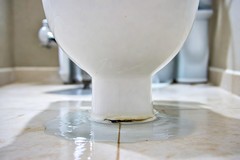
A small puddle forming around the base of your toilet is one of those problems that rarely stays small. What starts as a few drops can lead to warped flooring, stained subfloor, and even hidden mold if it goes unnoticed. So if you have found yourself asking why is my toilet leaking from the bottom, you are already ahead of the game by paying attention early. At Trojan Plumbing, we handle these calls regularly, and we also offer plumbing services in the Chicago area for homeowners who want the problem diagnosed and fixed the right way.
The tricky part is that water pooling at the base does not always mean the water is coming from where you think. Sometimes the source is a worn seal, sometimes it is a loose connection, and occasionally it is condensation that only looks like a leak. Understanding the real cause helps you decide whether it is a quick fix or a job that calls for a professional.
The Wax Ring Is the Usual Suspect
When water appears around the bottom of a toilet, the wax ring is the first thing an experienced plumber checks. This ring sits between the base of the toilet and the flange on the floor, creating a watertight seal that directs waste and water down into the drain. Over time, that seal can dry out, crack, or shift, especially if the toilet has been rocking slightly on an uneven floor.
When the wax ring fails, water escapes with each flush and seeps out along the base. You may notice the leak is worse right after flushing and then slows down, which is a strong sign the seal has broken down. Replacing a wax ring involves removing the toilet, cleaning the flange, and setting a fresh seal, so while it is a common repair, it is not always as simple as it sounds. A toilet that has been leaking for a while may also have damaged the flange underneath, which adds another layer to the fix.
Loose Bolts and a Rocking Toilet
Your toilet is anchored to the floor with two closet bolts, usually hidden under small plastic caps at the base. If those bolts loosen, the toilet can rock back and forth even slightly, and that movement gradually breaks the wax seal below. This is one of the most overlooked answers when people ask why is my toilet leaking from the bottom, because the bolts themselves are easy to ignore.
You can check this yourself by gently trying to wiggle the toilet. If it moves, the bolts likely need tightening. That said, over-tightening is a real risk. Porcelain cracks easily, and cranking down too hard can turn a minor issue into a full toilet replacement. Snugging the bolts a little at a time on each side keeps the base level without stressing the material.
Cracks in the Tank or Bowl
Porcelain is durable, but it is not indestructible. A hairline crack in the tank or bowl can release a steady trickle of water that ends up on the floor. These cracks sometimes form from a hard impact, from freezing temperatures in an uninsulated bathroom, or simply from age and stress over many years. A crack above the waterline may only leak when the toilet is used, while a crack below the waterline tends to leak constantly.
If you trace the water and find it is coming from the porcelain itself rather than the base seal, replacement is almost always the answer. Sealants offer only a temporary patch, and a cracked fixture rarely gets better on its own. When homeowners across Chicago and neighboring communities call us about a leak, we always inspect the body of the toilet before assuming the seal is at fault.
Condensation That Mimics a Leak
Not every wet floor points to a broken part. In humid weather, cold water inside the tank can cause condensation to form on the outside, and that moisture drips down onto the floor. It looks exactly like a leak, but the cause is temperature difference rather than a failed component. This is sometimes called tank sweating, and it is more common in warm months or in bathrooms without good ventilation.
You can usually tell the difference by wiping the tank dry and watching where new moisture appears. If the outside of the tank gets damp again, condensation is the likely culprit. Insulating the tank, improving airflow, or installing an anti-sweat valve can reduce the problem. It is worth ruling this out before tearing into a repair that was never needed.
Supply Line and Connection Leaks
The water supply line that feeds the tank is another common source of trouble. Where the line connects to the tank and to the shutoff valve, you have washers and fittings that can loosen or wear out. A slow drip here runs down the line and collects at the floor, again giving the impression that the leak is coming from the base of the toilet.
Checking these connections is straightforward. Run your fingers along the supply line and the valve to feel for moisture, and look for any corrosion or mineral buildup around the fittings. Tightening a connection or replacing a worn washer often solves it. If the shutoff valve itself is leaking or will not turn, that is a repair better left to a professional, since a stuck valve can turn into a bigger headache fast. Persistent leaks anywhere in the home may also point to larger issues worth having a plumber evaluate through professional leak repair.
How to Narrow Down the Cause
Figuring out why is my toilet leaking from the bottom comes down to observation before action. A few quick checks can tell you a great deal about what you are dealing with and whether you need to call for help right away.
- Dry the area completely, then flush and watch where water reappears first.
- Check if the leak worsens with flushing, which points to the wax ring or flange.
- Feel the supply line and valve for drips unrelated to flushing.
- Inspect the tank and bowl for cracks or moisture from condensation.
- Test whether the toilet rocks, indicating loose closet bolts.
These steps help you communicate clearly with a plumber and can save time during the repair. Even if you plan to have a professional handle the work, knowing the likely cause puts you in a stronger position.
When to Bring in a Professional
Some toilet leaks are simple, but the answer to why is my toilet leaking from the bottom is not always obvious, and guessing wrong can cost you in water damage. If the leak keeps returning after you have tightened bolts, if you see cracked porcelain, or if the floor around the toilet feels soft or spongy, it is time to have it looked at. Soft flooring often means water has been seeping in longer than you realized, and the subfloor may need attention along with the toilet.
We help homeowners throughout Chicago and the surrounding areas track down these problems and repair them properly the first time. If you suspect a hidden source, our team can pinpoint it with professional leak detection in Bedford Park, IL so you are not left guessing. Catching a bottom-of-the-toilet leak early keeps a minor repair from becoming a major renovation, and a quick call is always cheaper than a rebuilt bathroom floor.