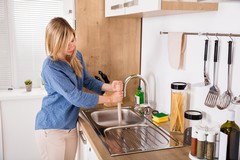
The kitchen sink handles more grime than almost any other drain in your home. Grease from cooking, coffee grounds, food scraps, and soap residue all pass through it every single day, and over time that buildup coats the inside of your pipes. If you have ever noticed water pooling in the basin or a slow gurgle after the water goes down, your pipe is trying to tell you something. Knowing how to clean kitchen drain pipe buildup before it becomes a full blockage can save you money, mess, and a frustrating call for emergency help. If a stubborn problem is already beyond a home fix, our team offers professional plumbing services in the Chicago and throughout the Chicago area.
The good news is that most kitchen drains can be maintained with tools and products you likely already have at home. In this guide, we will walk through why kitchen drains clog, how to clean them safely, and the everyday habits that keep water flowing freely. A little regular attention goes a long way toward avoiding bigger plumbing headaches down the road.
Why Kitchen Drains Clog in the First Place
Understanding the cause makes prevention much easier. The number one culprit in most kitchen clogs is grease and fat. When you pour cooking oil or bacon drippings down the sink, they may go down as a warm liquid, but they cool and harden inside the pipe. Once that layer forms, it grabs onto everything else that passes by, including food particles, coffee grounds, and starchy residue from pasta and rice.
Soap scum and mineral deposits from hard water also contribute, gradually narrowing the pipe's interior. In many older Alsip and Chicago homes, decades of buildup can leave a drain line half its original diameter. That is why a sink that used to drain instantly might now take a minute to clear. Catching this early is the key to keeping a small slowdown from turning into a complete stoppage.
How to Clean a Kitchen Drain Pipe Step by Step
Before reaching for a harsh chemical cleaner, try gentler methods first. Chemical drain openers can damage older pipes and rarely remove the greasy coating that causes recurring clogs. Here is a straightforward routine to clean kitchen drain pipe buildup safely and effectively.
- Start with boiling water. Pour a full kettle of boiling water slowly down the drain in two or three stages. This softens and loosens grease. Do this first, as it often clears minor buildup on its own.
- Add baking soda and vinegar. Pour about half a cup of baking soda into the drain, followed by a cup of white vinegar. The fizzing reaction helps break down grime along the pipe walls. Cover the drain and let it sit for fifteen to twenty minutes.
- Flush again with boiling water. Rinse the loosened residue away with another kettle of hot water.
- Clean the P-trap if needed. If the sink is still slow, place a bucket under the curved pipe beneath the sink, unscrew the connectors by hand or with pliers, and clear out any trapped debris before reattaching it.
- Use a drain snake for deeper clogs. A small hand auger can reach blockages that boiling water cannot, breaking them up so they wash away.
This combination handles the vast majority of routine kitchen drain issues. If water still backs up after you clean kitchen drain pipe surfaces this way, the blockage may be deeper in the line and worth having inspected by a professional.
Everyday Habits That Prevent Clogs
Prevention is far easier than repair, and it comes down to being mindful of what goes down the sink. The single most important habit is keeping grease out of the drain entirely. Let cooking oil and fat cool, then pour it into a jar or can and throw it in the trash. Wiping greasy pans with a paper towel before washing them keeps a surprising amount of residue out of your pipes.
Scrape plates into the garbage or compost before rinsing, and use a mesh drain strainer to catch food particles. Run hot water for a few seconds after each use to help carry residue further down the line. If you have a garbage disposal, avoid fibrous items like celery, potato peels, and coffee grounds, which tend to accumulate and cause trouble. Once a week, treat your drain to a boiling water flush to keep everything moving. These small steps make it far less likely you will ever need to deal with a serious backup. Homeowners in Bolingbrook and the surrounding areas often find that consistent maintenance eliminates the recurring slow-drain problems they once assumed were unavoidable.
When to Call a Professional
Some situations go beyond what home cleaning can resolve. If multiple drains in your home are slow at the same time, if water backs up into other fixtures when you run the sink, or if you notice a persistent foul odor, the problem may be in your main line rather than the kitchen pipe alone. These are signs that require professional attention rather than another round of baking soda.
A recurring clog that returns within days of cleaning also points to a deeper issue, such as a buildup that has hardened well inside the pipe or a partial break in the line. Our technicians use tools like sewer camera inspections to see exactly what is happening inside your pipes, which takes the guesswork out of the repair. For blockages that simply will not clear, our clogged drain repair service can restore full flow without damaging your plumbing.
Protecting Your Pipes for the Long Term
Regular cleaning does more than keep water draining quickly. It extends the life of your plumbing by preventing the corrosion and pressure that constant blockages can cause. A pipe that stays clean is a pipe that lasts, and that matters most in older homes where original plumbing has already served for many decades. When buildup becomes severe or a section of pipe has deteriorated beyond cleaning, replacement is sometimes the smarter long-term investment. In those cases, we handle drain line replacement in Bolingbrook, IL and nearby communities with minimal disruption to your home.
Learning to clean kitchen drain pipe buildup yourself gives you real control over one of the most common plumbing problems homeowners face. With boiling water, a little baking soda and vinegar, smart daily habits, and the occasional deeper cleaning, you can keep your kitchen sink flowing freely for years.
When a clog outlasts your best efforts or you suspect the trouble runs deeper than the trap, do not wait for a small slowdown to become a flooded cabinet. Reach out to Trojan Plumbing for a professional assessment, and let our experienced team keep your drains, and the rest of your plumbing, running the way they should.