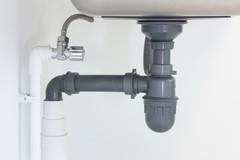
Most homeowners never think twice about the pipes under their kitchen sink until water starts backing up or draining slower than it should. Yet one of the most common questions our team hears is deceptively simple: what size is a kitchen sink drain pipe? The answer influences everything from how quickly your sink empties to whether your garbage disposal and dishwasher work the way they should. As a trusted plumbing company in Chicago, we field this question often, especially from people tackling a sink replacement or a kitchen remodel.
Getting the pipe size right is not just a technical detail. The wrong diameter can lead to chronic clogs, standing water, and gurgling drains that never seem to clear. In this guide, we will walk through the standard measurements, explain why they matter, and point out when it makes sense to bring in a professional.
What Size Is a Kitchen Sink Drain Pipe in Most Homes?
In the vast majority of residential kitchens, the drain pipe that runs from the sink down to the trap and into the wall measures 1.5 inches in diameter. This is the standard for a reason. A 1.5 inch pipe moves kitchen wastewater efficiently while being small enough to fit neatly within cabinet space and tight plumbing layouts.
That said, you will occasionally run into a 2 inch drain, particularly in newer construction, larger homes, or kitchens with heavy use. A 2 inch line offers extra capacity and handles the solids that come through a garbage disposal a bit more gracefully. The tailpiece coming directly off the sink basket is often 1.5 inches, and it connects to the P-trap and then the drain line that ties into the home's waste system.
So when someone asks what size is a kitchen sink drain pipe, the short answer is almost always 1.5 or 2 inches. The key is matching the pipe to the fixture and the demands placed on it. If you have a double basin sink, a disposal, and a dishwasher all feeding into one drain, you want to be sure the pipe can keep up.
Why the Right Diameter Matters More Than You Think
Pipe size directly affects drainage speed and clog resistance. A line that is too narrow restricts flow, which means food particles, grease, and debris have more opportunity to catch and build up. Over time, this leads to the slow drains and recurring backups that frustrate so many homeowners. A properly sized pipe lets water carry waste through with enough velocity to keep the interior walls cleaner.
There is also the matter of venting and air flow. Drain pipes rely on proper venting to prevent the siphoning of water out of your traps, which is what keeps sewer gas from entering your home. When the pipe size is mismatched or the layout is improvised during a DIY project, you can end up with gurgling noises, foul odors, and traps that dry out. Understanding what size is a kitchen sink drain pipe becomes especially important when you are reconfiguring plumbing rather than doing a simple swap.
Code requirements come into play as well. Local plumbing codes across Chicago and the surrounding areas specify minimum kitchen sink waste outlet sizes. A kitchen sink with a disposal has different drainage demands than a bathroom lavatory, and the code reflects that. Installing an undersized pipe can cause problems during an inspection and, more importantly, can cause performance issues down the road.
Garbage Disposals, Dishwashers, and Drain Capacity
Adding a garbage disposal changes the equation. Disposals grind food into small particles that travel through the drain line as slurry. If that slurry moves through a narrow or partially clogged pipe, it tends to settle and accumulate. This is why many plumbers recommend at least a 1.5 inch line for disposal-equipped sinks, and why a 2 inch line can be a smart upgrade in high-use kitchens.
Dishwashers typically drain through a hose that connects to the disposal or to a dedicated inlet on the sink tailpiece. The drain still ultimately relies on the same pipe, so the overall capacity of your line matters. When all three components share a single undersized drain, you create a bottleneck that invites backups. If you are already dealing with frequent slowdowns, our guide to clogged drain repair in Chicago covers what causes them and how we resolve them.
Common Mistakes When Replacing or Rerouting Drain Pipes
One of the most frequent errors we see is a mismatch between the new fixture and the existing drain. Someone installs a deep farmhouse sink or adds a disposal without confirming that the pipe beneath can handle the change. Another common issue is improper slope. Drain pipes need a gentle downward pitch, generally about a quarter inch per foot for pipes of this size, so gravity can do its job. Too little slope and water stalls; too much and the water races ahead of the solids, leaving them behind.
Using the wrong fittings or reducing the pipe diameter partway through the run also causes trouble. Every transition and sharp turn is a potential catch point. When homeowners patch together pipes of different materials and sizes, they often create hidden problems that surface weeks or months later. If you notice persistent leaks after a project like this, it may be worth exploring professional leak repair and leak detection before the damage spreads.
Here are the measurements that come up most often in kitchen drain work:
- Sink tailpiece and P-trap: typically 1.5 inches
- Main horizontal and vertical drain line: 1.5 to 2 inches
- Dishwasher drain hose connection: usually feeds into the disposal or tailpiece
- Recommended minimum for a disposal-equipped sink: 1.5 inches, with 2 inches preferred for heavy use
When to Call a Professional
A straightforward trap replacement is within reach for a handy homeowner, but anything involving rerouting, resizing, or tying into the main waste line is best left to a licensed professional. Older homes, in particular, sometimes have outdated or corroded pipes that need to be replaced entirely rather than patched. In those cases, a proper assessment can save you from repeated repairs. For homes outside the city, we also handle work such as drain line replacement in Brookfield, IL, bringing the same standards to nearby communities.
If you are unsure whether your current setup meets code or can handle a planned upgrade, a quick visit from a plumber removes the guesswork. We can measure your existing lines, check the slope and venting, and recommend the right configuration for your kitchen. That upfront clarity prevents the slow drains and backups that so often follow a rushed installation.
Knowing what size is a kitchen sink drain pipe is the first step toward a kitchen that drains quickly and stays trouble free. For most homes the answer is 1.5 inches, with 2 inch lines serving busier kitchens, but the real goal is matching the pipe to your fixtures, your disposal, and local code. When the size, slope, and venting all work together, you rarely have to think about your drains at all.
Whether you are planning a remodel or simply tired of a sluggish sink, our team is ready to help. As a dependable plumbing company in Chicago and neighboring towns, Trojan Plumbing can inspect your setup, confirm the right pipe size, and handle the installation correctly the first time. Reach out for a free quote and let us keep your kitchen flowing the way it should.