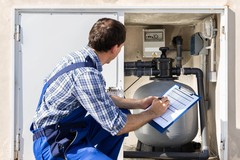
Most homeowners only think about their pipes when something goes wrong, but a surprising amount of water damage and costly repairs could be avoided with a routine check. A thorough plumbing inspection gives you a clear picture of your home's health before a small drip becomes a flooded basement. That is exactly why as an experienced plumbing company in Chicago, Trojan Plumbing relies on a detailed checklist every time they walk through a property.
Knowing what the pros look for helps you understand the value behind the service and prepares you to ask the right questions. Below, we break down the key areas a professional examines, why each one matters, and how staying ahead of problems protects both your budget and your peace of mind.
Why a Professional Plumbing Inspection Matters
Pipes, fixtures, and water-using appliances all age at different rates, and the warning signs are often hidden behind walls or under floors. A plumbing inspection is designed to catch those early indicators of trouble, from slow corrosion to pressure imbalances, long before they turn into emergencies. For older homes especially, this kind of proactive look can reveal outdated materials that are nearing the end of their service life.
There is also a financial case for regular inspections. Water that escapes from a hidden leak can quietly damage framing, insulation, and flooring for months, driving up both utility bills and repair costs. Catching the issue early almost always costs far less than cleaning up after the damage is done, which is why we encourage homeowners throughout Chicago and the surrounding areas to make inspections part of their routine maintenance.
The Core Plumbing Inspection Checklist
When a technician performs a plumbing inspection, the goal is to evaluate the entire system rather than just the fixture that prompted the visit. That means looking at supply lines, drain lines, fixtures, and the appliances that depend on them. A good inspector works methodically so nothing gets overlooked.
Here are the primary areas a professional reviews during a full walkthrough:
- Visible pipes for corrosion, mineral buildup, and signs of past or present leaks
- Water pressure at multiple fixtures to confirm it falls within a safe, consistent range
- Faucets, toilets, and shutoff valves for drips, running water, and proper operation
- Drains throughout the home for slow flow that may signal a developing clog
- The water heater for age, sediment, temperature settings, and venting
- Sump pumps, ejector pumps, and any backup systems that protect against flooding
Each of these items tells part of the story. A single slow drain might be a minor nuisance, but combined with low pressure and a corroded supply line, it may point to a larger issue worth addressing sooner rather than later.
Checking Drains, Sewer Lines, and Water Flow
Drainage is one of the most important yet least visible parts of your system. During an inspection, a technician watches how quickly water clears from sinks, tubs, and floor drains, since sluggish performance often hints at buildup deeper in the line. Recurring clogs in particular can signal problems that a simple plunger will never solve, which is where professional clogged drain repair becomes worthwhile.
For homes with a history of backups or tree-root intrusion, pros may recommend a closer look inside the pipes themselves. A sewer camera lets us see cracks, blockages, and offsets without digging, giving a precise diagnosis rather than a guess. Our sewer camera inspections are a valuable add-on when a visual check alone cannot explain a persistent drainage problem.
Water Heaters, Pumps, and Pressure
Your water heater works constantly, so it earns a careful look during any inspection. Technicians check the age of the unit, test the temperature and pressure relief valve, and look for sediment that reduces efficiency and shortens the tank's life. Rust around fittings or moisture at the base can both indicate that replacement is on the horizon.
Sump pumps and ejector pumps deserve equal attention, especially in basements that are prone to moisture. A pump that fails during a heavy storm can lead to serious flooding, so inspectors test the float switch, confirm the discharge line is clear, and verify any battery backup is functioning. Pressure testing across the home rounds out this stage, since water pressure that runs too high can strain pipes and fixtures while pressure that runs too low often points to a hidden obstruction or leak.
Finding Hidden Leaks Before They Spread
Leaks are the silent budget drainers of any plumbing system. Some reveal themselves through water stains or musty odors, but many hide inside walls, under slabs, or beneath cabinets where they go unnoticed for a long time. Professionals use a combination of visual clues, moisture readings, and specialized tools to pinpoint the source without tearing a home apart. The EPA's guidance on finding and fixing household leaks also highlights the importance of identifying leaks before they waste water and cause additional damage.
This is where experience truly pays off. A trained eye can spot the subtle discoloration on a ceiling or the faint sound of water moving when every fixture is off. If you suspect a hidden problem, our team offers dedicated leak detection in Chicago as well as leak detection in Burr Ridge, IL for homeowners in neighboring communities who want answers fast.
How Often Should You Schedule a Plumbing Inspection?
For most homes, an annual plumbing inspection strikes the right balance between cost and protection. If your home is older, has a history of plumbing issues, or sits in an area with hard water or heavy seasonal storms, you may benefit from checking in more frequently. Buyers should also consider a full inspection before purchasing any property, since it can uncover problems that a standard home inspection might miss.
Seasonal timing matters too. Scheduling a review in the fall helps you catch vulnerabilities before freezing temperatures arrive, reducing the risk of burst pipes during a cold snap. A quick check in spring can confirm your sump pump is ready for heavy rains. Pairing these visits with your other home maintenance makes it easy to stay ahead of trouble rather than reacting to it.
Protecting Your Home for the Long Run
A plumbing inspection is one of the most practical investments you can make in your home. By reviewing pipes, drains, water heaters, pumps, and potential leak points on a regular schedule, you gain a clear understanding of what is working well and what needs attention. That knowledge lets you plan repairs on your own terms instead of scrambling during an emergency.
The checklist we have outlined reflects the thorough, methodical approach our technicians bring to every property. Whether you need routine maintenance, a second opinion, or help solving a stubborn problem, working with an established plumbing company in Chicago ensures the job is done right the first time. If you are ready to schedule a visit or simply have questions about your system, reach out to Trojan Plumbing and let our team put this checklist to work for you.