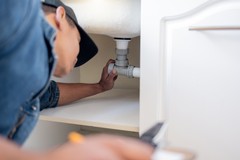
The space under your kitchen sink does a lot of quiet work. It carries away dishwater, food scraps, and everything else that goes down the drain, often without a second thought until something goes wrong. When you eventually need to replace pipes under kitchen sink fixtures, it usually starts with a small sign: a damp cabinet floor, a musty smell, or a slow drain that never fully clears. As experienced plumbing contractors in Chicago, we see these early warnings every week, and we know how quickly a minor issue can turn into water damage if it is ignored.
Knowing when to repair and when to replace saves you money and headaches. This guide walks through the common reasons pipes fail, the signs worth watching for, and what actually happens during a replacement so there are no surprises.
Why Pipes Under the Kitchen Sink Wear Out
The plumbing beneath your sink works harder than most people realize. Grease, soap residue, and food particles gradually coat the inside of the pipes, narrowing the path water takes and inviting clogs. Over time that buildup combined with constant moisture takes a toll on the material itself.
Older homes around Alsip and Chicago often have galvanized steel or older PVC assemblies that corrode or crack with age. Metal traps and connectors can rust from the inside out, while plastic fittings grow brittle and separate at the joints. If your sink plumbing is decades old, the question is not usually whether you will need to replace pipes under kitchen sink hardware, but when. Routine wear simply catches up with every fixture eventually.
Warning Signs It Is Time to Replace
Most pipe problems announce themselves before they become emergencies. The trick is recognizing the signals early. Persistent leaks are the most obvious one. If you keep tightening a connection and it keeps dripping, the fitting or pipe has likely worn past the point a wrench can fix.
Other signs are easy to miss. Watch for these common indicators that your under-sink plumbing is near the end of its life:
- Visible corrosion, rust stains, or a chalky buildup on metal pipes and fittings
- A lingering musty or sewer-like odor from inside the cabinet
- Water stains, warping, or softness on the cabinet floor
- Slow drainage that returns quickly after you clear it
- Repeated leaks at the same joint despite tightening or resealing
Any one of these on its own may call for a simple repair. Several appearing together usually mean it is time to replace pipes under kitchen sink components rather than patch them one by one. If you are unsure, a quick inspection can tell you whether a small fix will hold or whether the whole assembly needs updating. Our leak detection team in Chicago can pinpoint exactly where moisture is coming from before it damages your cabinetry.
Repair or Replace: Making the Call
Not every drip means a full replacement. A loose slip nut, a worn washer, or a cracked trap can often be swapped out in a single visit. These targeted repairs make sense when the rest of the plumbing is in good shape and the problem is isolated to one part.
Replacement becomes the smarter choice when corrosion is widespread, when the pipe material is outdated, or when you find yourself calling for the same repair again and again. In those cases, continuing to patch individual pieces costs more over time than installing a fresh, properly fitted assembly. Modern materials like PVC and ABS resist corrosion and seal more reliably, which means fewer calls down the road. A professional can weigh the age, material, and condition of your plumbing and give you an honest recommendation rather than a guess.
What to Expect During the Replacement
The good news is that replacing the pipes under a kitchen sink is usually a straightforward job. Most jobs are completed in a single appointment, often within a couple of hours depending on access and what is found behind the scenes.
The process generally follows a clear path. A plumber will start by shutting off the water supply valves and clearing out the cabinet so there is room to work. The old trap, drain tailpiece, and any corroded supply lines come out next, and this is often when hidden damage like a rotted cabinet base or a compromised wall connection gets discovered. New pipes and fittings are then measured, cut, and sealed into place, with each joint checked for a tight fit. Finally, the plumber runs water through the system, watching every connection to confirm there are no leaks before putting your cabinet back together.
If the inspection reveals that the problem extends past the sink and into your main drainage, the scope may grow. Issues deeper in the system sometimes call for drain line replacement rather than a simple under-sink swap. A good plumber will explain clearly if that is the case and never expand the work without talking it through with you first.
Protecting Your Investment After the Work Is Done
Once your new pipes are in, a few simple habits keep them flowing smoothly for years. Avoid pouring grease down the drain, since it cools, hardens, and clings to pipe walls faster than almost anything else. The EPA's guidance on sanitary sewer overflows explains how fats, oils, and grease contribute to clogged sewer lines. Run plenty of water when you use the garbage disposal, and keep fibrous scraps and coffee grounds out of the sink entirely.
Periodically open the cabinet and glance at the connections. Catching a small drip early is far cheaper than discovering a swollen cabinet floor months later. If you notice any dampness, address it promptly rather than waiting, because moisture under a sink rarely resolves on its own. These small checks pair well with keeping the rest of your home's plumbing in mind, from your water heater to your drains, so nothing sneaks up on you.
When to Bring in a Professional
Plenty of homeowners feel comfortable tightening a fitting or swapping a washer, and for minor issues that is perfectly reasonable. The line to call a professional is crossed when you see corrosion spreading, when leaks keep returning, or when the pipe material itself is clearly past its prime. Trying to force an old, brittle connection can crack it further and turn a small job into a flooded cabinet.
At Trojan Plumbing, we handle everything from a single pipe swap to larger projects across Chicago and the surrounding areas. Our plumbing services in Chicago cover the full range of residential needs, and we also offer drain line replacement in Brookfield, IL for customers whose plumbing troubles run deeper than the kitchen sink. Whether you need a quick repair or a complete replacement, we show up prepared to get it done right the first time.
Your kitchen sink is one of the hardest-working spots in your home, and the pipes beneath it deserve attention before a small leak becomes real damage. Watch for the warning signs, keep up with simple maintenance, and know that when it is time to replace pipes under kitchen sink hardware, the job does not have to be stressful. Reach out to our team for a straightforward assessment, and we will help you decide the smartest path forward for your home and budget.