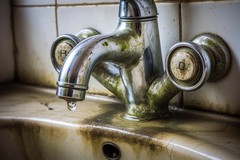
That green or white crust creeping around the base of your faucet is not just an eyesore. It is a signal that corrosion has taken hold, and left unchecked, it can lead to leaks, poor water flow, and eventually a full fixture replacement. If you have ever wondered what causes bathroom faucets to corrode, you are already ahead of many homeowners who wait until a faucet is dripping or seized before they act. As trusted plumbing contractors in Chicago and nearby, we see corroded faucets more often than you might expect, and most of the damage traces back to a handful of common causes.
The good news is that faucet corrosion is largely preventable once you understand why it happens. In this guide, we will walk through the main culprits, the warning signs worth watching for, and the steps you can take to protect your fixtures and extend their lifespan.
The Main Causes of Faucet Corrosion
To really understand what causes bathroom faucets to corrode, it helps to look at the everyday conditions inside and around your fixtures. Water is constantly flowing through them, and the minerals, chemicals, and moisture involved slowly wear down metal over time. Several factors accelerate that process.
Hard water is one of the biggest offenders in the Chicago area. Water rich in calcium and magnesium leaves behind mineral deposits that build up on faucet surfaces and inside internal components. Those deposits trap moisture against the metal and create the perfect environment for corrosion to spread. Over months and years, the buildup eats away at finishes and can clog aerators and valves.
Water chemistry plays a role too. Water that is slightly acidic or heavily chlorinated is more aggressive toward brass, chrome, and other metals used in faucets. When the pH is off, the protective finish on a faucet breaks down faster, exposing the base metal underneath to oxygen and moisture.
Constant exposure to standing water and humidity is another factor. Bathrooms are humid by nature, and splashes and drips that linger around the base of a faucet give corrosion time to form. Cleaning products with harsh chemicals can strip protective coatings and speed up the damage as well.
How Different Metals React
Not every faucet corrodes at the same rate, and the material matters. Brass and stainless steel tend to hold up better than cheaper alloys, though no metal is completely immune. When two different metals are joined in a plumbing connection, such as a steel pipe meeting a brass fitting, galvanic corrosion can occur. This is an electrochemical reaction that causes one metal to deteriorate faster than it would on its own, often right at the connection point where you least expect it.
This is why fixture quality and proper installation matter so much. A well made faucet installed by an experienced professional using compatible materials will resist corrosion far longer than a bargain fixture thrown together with mismatched parts. If your faucet is more than a decade old, the internal components may already be showing wear even if the exterior still looks presentable.
Warning Signs to Watch For
Catching corrosion early can save you from a bigger repair down the road. Keep an eye out for these common indicators that your faucet may be deteriorating:
- Green, blue, or white crusty deposits around the base, handles, or spout
- Reduced water pressure or an uneven, sputtering stream
- Discolored water, often with a rusty or metallic tint
- A stiff or squeaky handle that becomes harder to turn
- Small drips or moisture appearing at connection points
Any one of these signs is worth investigating. A slow leak from a corroded connection can quietly damage your vanity, flooring, and cabinetry long before you notice a puddle. If you spot moisture where it does not belong, our team offers leak repair and detection to pinpoint the source before it becomes a costly problem.
How to Stop and Prevent Corrosion
Now that we have covered what causes bathroom faucets to corrode, let us focus on prevention. The most effective long term solution for hard water is a water softener or conditioning system. By reducing the mineral content of your water, you dramatically slow the buildup that leads to corrosion, and you protect not just your faucets but your water heater, pipes, and appliances throughout the home.
Regular cleaning makes a real difference too. Wipe down faucet surfaces after use to remove standing water, and clean fixtures with mild, non-abrasive products rather than harsh chemical cleaners that strip protective finishes. A gentle solution of vinegar and water can dissolve light mineral deposits, though you should avoid leaving vinegar on delicate finishes for extended periods, since acidity itself can damage certain coatings.
Fixing small leaks promptly is another key step. A dripping faucet keeps metal constantly wet and speeds up corrosion, so repairing worn washers, cartridges, and O-rings early prevents a minor issue from snowballing. When it is time to replace a faucet, choosing quality fixtures made from corrosion resistant materials and having them installed correctly will pay off for years. Our plumbing services cover everything from fixture upgrades to whole home water quality improvements.
When to Call a Professional
Some corrosion is cosmetic and can be cleaned away, but other cases run deeper. If a faucet is leaking at the base, if the handles no longer function smoothly, or if you notice discolored water despite regular cleaning, the internal components are likely compromised. At that point, patching the surface will not solve the underlying problem, and a repair or replacement is the smarter route.
A professional can also assess whether the corrosion is limited to the faucet or extending into your supply lines and connections. Corroded pipes are a more serious concern because they can lead to leaks inside walls and under floors. Homeowners rely on us to diagnose these issues accurately and recommend the most cost effective fix rather than an unnecessary overhaul.
Our team brings the experience to tell the difference between a simple cleaning, a component swap, and a situation that calls for new fixtures or piping. If you are searching for dependable plumbing services in Blue Island, IL, we are ready to help you protect your home and your fixtures.
Faucet corrosion rarely happens overnight. It builds gradually through hard water, aggressive water chemistry, constant moisture, and everyday wear, which means you have plenty of opportunities to intervene before it causes real damage. By understanding what causes bathroom faucets to corrode, keeping your fixtures clean and dry, addressing leaks quickly, and considering a water softening solution, you can keep your bathroom looking and working its best for years to come.
When corrosion has already taken hold or you simply want a professional evaluation of your water and fixtures, reach out to a trusted plumbing company that can take care of anything from burst pipes to water tank replacements in the Chicago area. Contact Trojan Plumbing for a straightforward assessment and lasting solutions that keep your bathroom faucets in top condition.