When diving into the world of plumbing, a multitude of terms and abbreviations can sometimes overwhelm homeowners and even professionals. Among these, "what does FIP mean in plumbing" is a common question that surfaces. FIP, short for Female Iron Pipe, plays a pivotal role in connecting plumbing fittings, ensuring a seamless flow of water through the intricate network of pipes in any building. For a plumbing company in Chicago, having a deep understanding of fittings like FIP is crucial for providing reliable services and maintaining efficient water systems in homes and businesses alike.
Understanding these terms not only helps in grasping the technicalities of plumbing but also empowers you to make informed decisions when dealing with installations and repairs. From amateur DIY enthusiasts to seasoned plumbing experts, everyone benefits from clarity on FIP fittings. In this blog, we'll delve into what FIP means, its importance in plumbing fittings, the specifics of installation, and why choosing the right fitting is imperative for any plumbing project.
What Exactly is FIP in Plumbing?
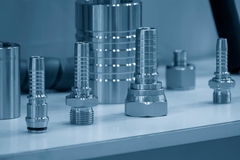
FIP fittings are an essential component in the plumbing landscape, ensuring that different pipes and systems connect seamlessly. When considering what does FIP mean in plumbing, note that it refers to the threads inside the fitting. These threads allow FIP fittings to receive a compatible pipe with MIP (Male Iron Pipe) threads, making them integral to linking sections of threaded pipework.
These fittings are primarily used in various plumbing systems, including water supply lines and drainage networks. Given their versatility, FIP fittings can be found in a wide array of materials such as brass, PVC, and even stainless steel, and are chosen based on the specific needs of the plumbing system.
Understanding FIP vs. Other Fittings
While the FIP is a vital term to know, it is equally crucial to differentiate between the male and female components in the realm of plumbing fittings. Understanding these differences aids in the smooth installation and maintenance of plumbing systems.
- NPT (National Pipe Thread): A standard thread type that is often complemented by FIP when working with iron pipes.
- MIP (Male Iron Pipe): These have external threads and counterpart the internal threads of FIP fittings.
- Compression Fittings: These provide an alternative way to connect pipes without threading, relying instead on compression rings.
- Sweat Fittings: Also known as solder fittings, primarily used with copper piping where soldering provides a watertight joint.
- : Also known as solder fittings, primarily used with copper piping where soldering provides a watertight joint.
FIP stands as a pivotal term among these, ensuring that components thread together accurately and form a secure, leak-proof bond. The compatibility and strength of the FIP make it ideal for a variety of uses, providing durability and reliability even under pressure.
The Importance of FIP in Plumbing Systems
Proper connection integrity is paramount in any plumbing system to prevent leaks and ensure efficiency. FIP fittings excel in this area, thanks to their robust threading and secure connection. They are ideally used for installations involving MIP threads which provide a snug fit, reducing potential leak points within the system.
Durability and Compatibility
FIP fittings' compatibility with MIP threads guarantees longevity and reliability. These fittings exhibit high resistance to pressure variations, corrosion, and wear, making them the go-to choice for many plumbing applications. Their design mitigates the need for frequent maintenance or replacements, thereby saving time and costs in the long run.
Furthermore, these fittings offer a degree of versatility. Available in various sizes and materials, they accommodate a range of applications from residential to industrial, underscoring their role in a holistic plumbing solution. The adaptability of FIP fittings means they can be customized to match specific requirements, thereby enhancing the overall efficiency of plumbing systems.
Installation Insights: Why Proper Fitting Matters
The right fitting not only ensures seamless function but also mitigates common plumbing issues in Chicago and beyond. Proper installation is critical in ensuring that FIP fittings perform optimally. During installation, care must be taken to correctly align the threads, avoiding cross-threading which could potentially compromise the fitting's integrity and lead to leaks.
Choosing the right material for FIP fittings, whether plastic or metal, also impacts the longevity and effectiveness of plumbing systems. The choice often depends on the plumbing environment as well as the type of fluid the pipe system will carry.
Common Applications of FIP in Plumbing
FIP fittings are utilized across both residential and commercial settings. They play a significant role in water supply systems, where they ensure reliable connections between different sections of piping. Additionally, they are used in sewage and drain systems where robust fittings are required to handle waste transport without compromising safety or function.
The Role in Modern Plumbing
In modern plumbing systems, FIP fittings facilitate not only basic connections but also incorporate advanced plumbing practices. Areas such as hot water heater installation, sump pump systems, and even complex irrigation structures often rely on these fittings for their capability to provide leak-free and pressure-resistant connections.
Modern ecological designs also employ FIP fittings due to their reusability and the potential for repurposing, reflecting an increasing focus on sustainability in plumbing practices. Their role extends beyond simple connections, becoming a pivotal factor in enhancing water conservation practices through secure and efficient system designs.
Challenges in Using FIP and How to Overcome Them
While FIP fittings provide significant advantages, like any other plumbing fitting, they come with their own set of challenges. Understanding these potential pitfalls allows both professionals and homeowners to better manage and maintain their plumbing systems.
Preventing Common Installation Errors
Improper installation remains one of the most common issues faced with FIP fittings. Any misalignment during installation can lead to cross-threading, causing leaks and potential water damage. This can become a significant problem if not addressed quickly, affecting the entire plumbing system and requiring extensive repairs.
To overcome these challenges, close attention to detail during the fitting process is imperative. Employing plumbers from reputable plumbing companies ensures the technical expertise needed to properly install these fittings. Furthermore, utilizing the right tools to drive or tighten fittings is essential, as excessive force can damage the threads.
Maintenance Tips for Longevity
Regular maintenance of FIP fittings ensures their lengthy service in plumbing systems. Visual inspections can identify signs of wear or corrosion before they escalate into serious issues. Engaging a professional plumbing company for routine checks can mitigate potential future problems and preserve the system's integrity.
Outsourcing Complex Tasks
For complex installations involving multiple FIP fittings, outsourcing to expert plumbers in Chicago can ensure precision and accuracy. Professionals bring knowledge of best practices and use advanced diagnostic tools such as leak detection to ensure optimal system performance. This level of service diminishes the chance of errors and provides peace of mind to property owners.
Broader Implications of FIP in Chicago Plumbing Systems
The implications of FIP extend beyond mere fittings, impacting broader system efficiency and the ability to sustain modern plumbing standards in Chicago. Plumbing companies here continually emphasize the importance of understanding and using the correct fittings to uphold the city's infrastructural demands. FIP fittings contribute significantly to maintaining operational standards across numerous applications, from large commercial setups to simpler domestic systems.
Their use in critical services like sump pump repair in Chicago helps address the city's specific plumbing challenges. The adaptability of FIP fittings allows professionals to create custom solutions tailored to Chicago's unique plumbing needs, supporting infrastructure improvements and modernizing facilities to meet contemporary standards.
Why Choose Trojan Plumbing for Your FIP Needs
Engaging with a reliable and experienced plumbing company is essential for ensuring the correct selection and installation of FIP fittings. At Trojan Plumbing, we prioritize providing high-quality plumbing services that encompass everything from expert consultation to comprehensive installation. Our experienced team understands the critical nature of these fittings and employs advanced techniques and materials to ensure optimal performance and longevity.
Whether you require sewer line replacement in Arlington Heights, IL, or hot water heater repair in a closer neighborhood, our expert services cover Chicago and its surrounding areas comprehensively. By choosing us, you gain not only enhanced system operations but also assurance from a trusted name in the industry.
In conclusion, understanding what does FIP mean in plumbing unlocks the potential for better home and business plumbing systems. It guides properties toward sustainable solutions and deftly handles Chicago's diverse plumbing challenges. For further expertise and reliable plumbing solutions in Chicago, IL, we are here to ensure your systems are efficient and long-lasting. Contact us today and discover how our expertise can elevate your plumbing experience.