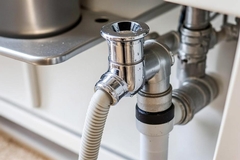
Plumbing systems play a crucial role in maintaining the health and safety of buildings by supplying clean water and removing waste efficiently. One important component often overlooked is the air gap in plumbing. This vital element serves as a protective measure against contamination, safeguarding potable water supplies in homes and commercial establishments. Air gaps help ensure that the water remains free from pollutants and pathogens, fortifying the reputation of skilled plumbing services in Chicago, IL for reliability and safety.
Understanding the significance of an air gap in plumbing is essential for both homeowners and professionals in the plumbing industry. This comprehensive guide delves into the function, necessity, and benefits of air gaps, alongside how they integrate with various plumbing systems. Readers will gain insight into why air gaps are mandated by codes, and how they contribute to preventing backflow and cross-contamination issues.
Defining an Air Gap in Plumbing
An air gap in plumbing is a standard used to prevent contamination of potable water by ensuring a physical break between the water source and any potential pollution sources. This "break" is essentially a vertical space between the outlet of a water system and the flood level of a fixture or reservoir. By maintaining this separation, the air gap effectively prevents wastewater or other contaminants from being siphoned back into the clean water supply.
The concept is simple yet vital in avoiding backflow - an undesirable reversal of water flow that may lead to contaminants entering clean water lines. Air gaps are commonly found on sinks, dishwashers, and other fixtures where cross-connections might occur. When installed correctly, they provide a reliable barrier to ensure water safety and quality.
The Importance of Air Gaps
Air gaps are not just a regulatory requirement; they are a crucial component of a well-designed plumbing system. Backflow can occur due to various reasons such as changes in pressure within the water system, which may happen during events like pipe bursts or heavy rainstorms. Without an air gap, these pressures can pull contaminants from fixtures back through the piping system, posing a risk to public health.
Moreover, air gaps are an essential feature in food establishments and manufacturing facilities where contamination could have severe consequences. By incorporating air gaps, businesses comply with health regulations and enhance their reputation for safety and hygiene. Even for residential properties, an air gap provides peace of mind, knowing that the water supply remains uncontaminated.
Key Components and Design of an Air Gap
The design of an air gap is straightforward, but it requires precise installation to function effectively. An air gap typically consists of a vertical space that meets local plumbing codes, varying depending on the type of fixture and its potential hazard level. Here are the primary elements involved:
- Outlet Height: The vertical distance between the lowest point of the outlet and the rim of the receiving fixture.
- Flood Level Rim: The top edge of the fixture receptor above which water can spill in normal use.
Correct installation is crucial to ensure effectiveness. Professionals need to follow code specifications to maintain compliance and reliability, making professional plumbing services indispensable for proper implementation.
Compliance and Regulations in Chicago, IL
In many areas, including Chicago, IL, plumbing codes require air gaps to prevent cross-contamination. These regulations are designed to protect public health by establishing standards that ensure the safe and efficient operation of plumbing systems. Compliance with these codes is mandatory for all new installations and when making significant alterations to existing systems.
Professional plumbers in Chicago, IL, understand these requirements and are trained to install and inspect plumbing systems for code compliance, including the incorporation of air gaps. This expertise ensures that both residential and commercial properties are equipped with systems that meet safety standards and function efficiently.
Common Applications of Air Gaps
Air gaps play a critical role in several plumbing applications. Understanding where and how they are used can help property owners and builders implement them effectively in various systems:
- Kitchen and Bathroom Sinks: Often installed to prevent wastewater from the sink from siphoning back into the line.
- Dishwashers: These appliances have dedicated air gaps to prevent dirty water from backing up into the clean water supply.
- Water Softeners and Filters: Air gaps are crucial in preventing treated or untreated water from contaminating the main water supply.
- Commercial Kitchens: Where food safety is paramount, air gaps help maintain hygiene standards by protecting water quality.
By integrating air gaps strategically, plumbing systems can efficiently manage and mitigate any potential risks of contamination or system failures.
Challenges and Misconceptions
Despite their simplicity, air gaps in plumbing can be misunderstood or improperly installed. A common misconception is that any gap between water lines is sufficient. However, without correct installation and maintenance, air gaps may fail, leading to potential health hazards. Another challenge is ensuring that all fixtures and appliances have suitable air gaps, which underscores the importance of professional assessments and installations.
Maintaining Plumbing Systems with Air Gaps
Regular maintenance is essential to ensure that air gaps and other plumbing components function effectively. Professional plumbing services often include inspections and repairs to maintain both compliance and performance. Homeowners and businesses can benefit from the peace of mind that comes from knowing that their plumbing systems are not only compliant but also optimized against potential disruptions.
By working with trusted professionals, property owners can address potential issues before they become significant problems. Regular inspections can identify wear and tear or improper installations, allowing for timely and effective repairs. For instance, incorporating a service like leak detection in Chicago, IL, can help identify and remedy issues before they escalate into costly damages.
Benefits of Professional Plumbing Services
Relying on professional plumbing services ensures that installations and repairs, including those involving air gaps, align with best practices and regulatory standards. Professional plumbers have the skills and tools necessary to install air gaps precisely, verify compliance, and advise on best practices for water safety. Their expertise extends to related services, offering comprehensive solutions for all plumbing needs.
We offer a wide range of services. From hot water heater repair to sump pump installation, our team in Chicago ensures that every component of your plumbing system functions optimally and complies with all safety regulations.
Protect Your Property with Expert Solutions
Whether you are a homeowner or running a business in the Chicago area or nearby cities like Arlington Heights, IL, securing your water quality is essential. If your current plumbing system doesn't include necessary air gaps, or if you're experiencing issues with backflow, seeking professional help in Chicago, IL is the next best step. Consider services like sewer line replacement in Arlington Heights, IL, by Trojan Plumbing to enhance your system's efficiency and reliability.
Ensuring air gaps are correctly installed and maintained is vital for protecting potable water supplies from contamination. Take action today by consulting experts like Trojan Plumbing, whose professional team can safeguard your plumbing systems and reinforce water safety, giving you confidence in the quality and reliability of your water supply.